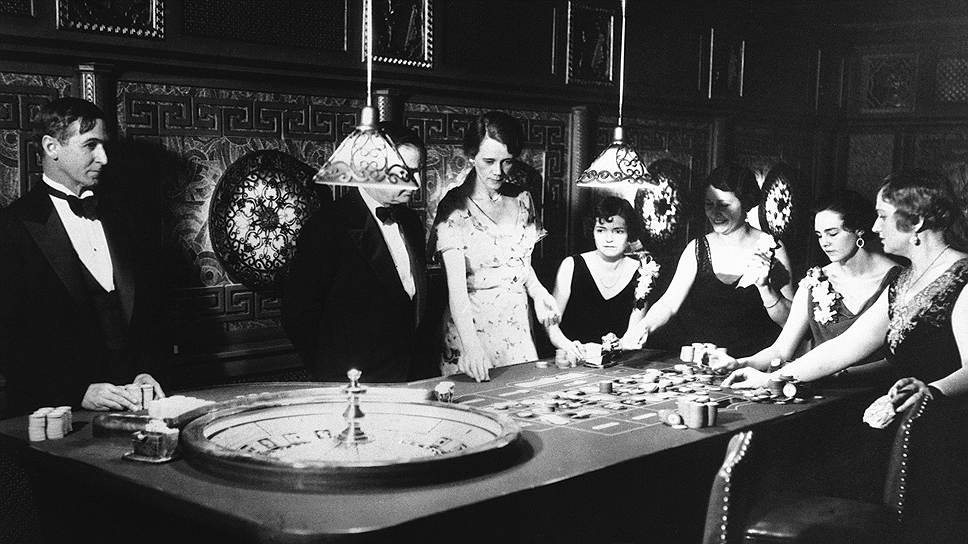
The urge to gamble, to test your luck and win big, is a human trait that stretches back millennia. Let’s take a journey through the history of gambling, exploring its evolution from ancient rituals to the high-tech casinos of today.
Early Beginnings: Dice, Games, and Divination
Archaeological evidence suggests that gambling existed in some form as early as 3000 BC. In ancient Mesopotamia, people used dice made from animal bones to play games of chance. In China, a form of lottery using keno slips dates back to the Han Dynasty (206 BC – 220 AD).
Gambling wasn’t just about entertainment. It was often used for religious purposes or divination, a way to seek guidance from the gods. Tribes would gamble on the outcome of battles or the weather, believing it could influence their fate.
The Rise of Empires and Games of Skill
As civilizations developed, so too did gambling games. The ancient Greeks and Romans were known for their love of dice games and chariot races. Chess, believed to have originated in India, spread across Asia and Europe, challenging players with strategy and skill.
Gambling wasn’t universally accepted. Some cultures, like the Spartans, saw it as a vice that could weaken society. However, the allure of gambling persisted, finding its way into taverns, public spaces, and even royal courts.
The Middle Ages and the Moral Debate
The Middle Ages saw a rise in opposition to gambling, particularly from religious authorities. The Church viewed gambling as immoral and a distraction from piety. Despite these pronouncements, gambling continued to flourish, often in clandestine settings.
A New Era: Lotteries, Cards, and the Rise of Casinos
The Renaissance ushered in a renewed interest in gambling. Lotteries emerged as a popular way to raise revenue for governments and public projects. Playing cards, believed to have originated in China, became a popular pastime across Europe.
The 18th and 19th Centuries: The Birth of Modern Casinos
The 18th and 19th centuries witnessed the rise of recognizable casinos. In Italy, the Ridotto, a gambling venue in Venice, became a popular destination for the wealthy elite. France saw the rise of casinos in fashionable resorts like Monte Carlo, catering to Europe’s aristocracy.
The United States also had its gambling scene. Riverboats on the Mississippi River offered games of chance, and saloons in the Wild West were notorious for high-stakes poker games. However, gambling faced a backlash in many parts of the US, leading to widespread bans in the early 20th century.
The 20th Century: Las Vegas and the Modern Casino Boom
The story of modern casinos is inextricably linked to Las Vegas. With legalized gambling in Nevada in 1931, the stage was set for a gambling mecca to emerge in the desert. The construction of the Flamingo Hotel and Casino in 1946 by Bugsy Siegel, albeit with Mafia backing, marked a turning point.
Las Vegas embraced innovation, building ever-larger and more luxurious resorts, attracting not just high rollers but also tourists seeking entertainment. Technological advancements like slot machines with electronic payouts further fueled the growth of the casino industry.
The 21st Century: The Globalization of Gambling and the Rise of Online Casinos
The 21st century has seen the globalization of gambling. Macau, a former Portuguese colony in China, emerged as a major gambling hub, surpassing Las Vegas in revenue for a period. Casinos have sprung up across Asia, Europe, and even Africa, catering to a growing international clientele.
The rise of the internet brought another revolution: online casinos such as HellSpin. Players can now gamble from the comfort of their homes, accessing a wide variety of games and betting options. While convenient, online casinos raise concerns about addiction and regulation, requiring constant adaptation from authorities.
Looking Ahead: The Future of Gambling
The future of gambling is likely to be shaped by technology. Virtual reality experiences, artificial intelligence that personalizes the gambling experience, and the integration with cryptocurrencies are all potential areas of growth.
However, the core elements of gambling – the thrill of the win, the social interaction, and the testing of luck – are likely to remain constant. Gambling will continue to evolve, adapting to changing demographics, technology, and social attitudes.